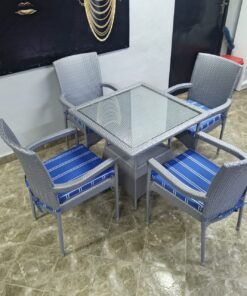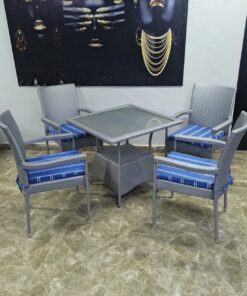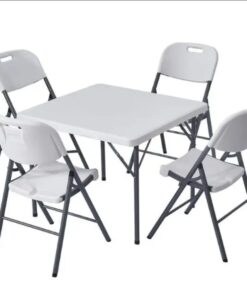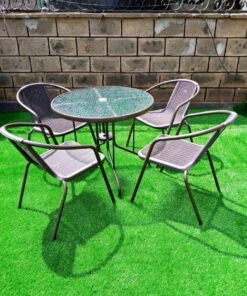

The humble plastic chair has undergone a massive transformation, evolving from a simple backyard utility item into a high-performance staple of modern interior and exterior design. Whether you are furnishing a high-traffic commercial space or a minimalist home patio, understanding the technical specifications and aesthetic potential of polymer seating is the key to a long-term investment.
The Engineering of Modern Polymers
Not all plastic chairs are created equal. The “instant-load” durability of a premium chair comes down to the specific chemical composition of the materials used.
-
Polypropylene (PP): This is the gold standard for high-performance seating. It is a thermoplastic polymer that is incredibly rugged and resistant to chemical solvents, bases, and acids. Most importantly, it has “elastic memory,” meaning it can flex under a person’s weight and return to its original shape without cracking.
-
Polycarbonate (PC): Known for its “crystal clear” look, polycarbonate is used for “ghost” chairs. It is significantly stronger than glass and offers a high-end, sophisticated aesthetic while remaining lightweight and shatterproof.
-
UV-Stabilized Additives: For chairs intended for the Kenyan sun or high-exposure areas, UV stabilizers are a mechanical necessity. These additives prevent the polymer chains from breaking down, which causes fading, chalking, and brittleness over time.
Specialized Styles for Every Environment
The architecture of a space dictates the silhouette of the seating. Plastic chairs are now engineered to mimic organic forms and industrial structures.
The Monobloc: The Universal Classic
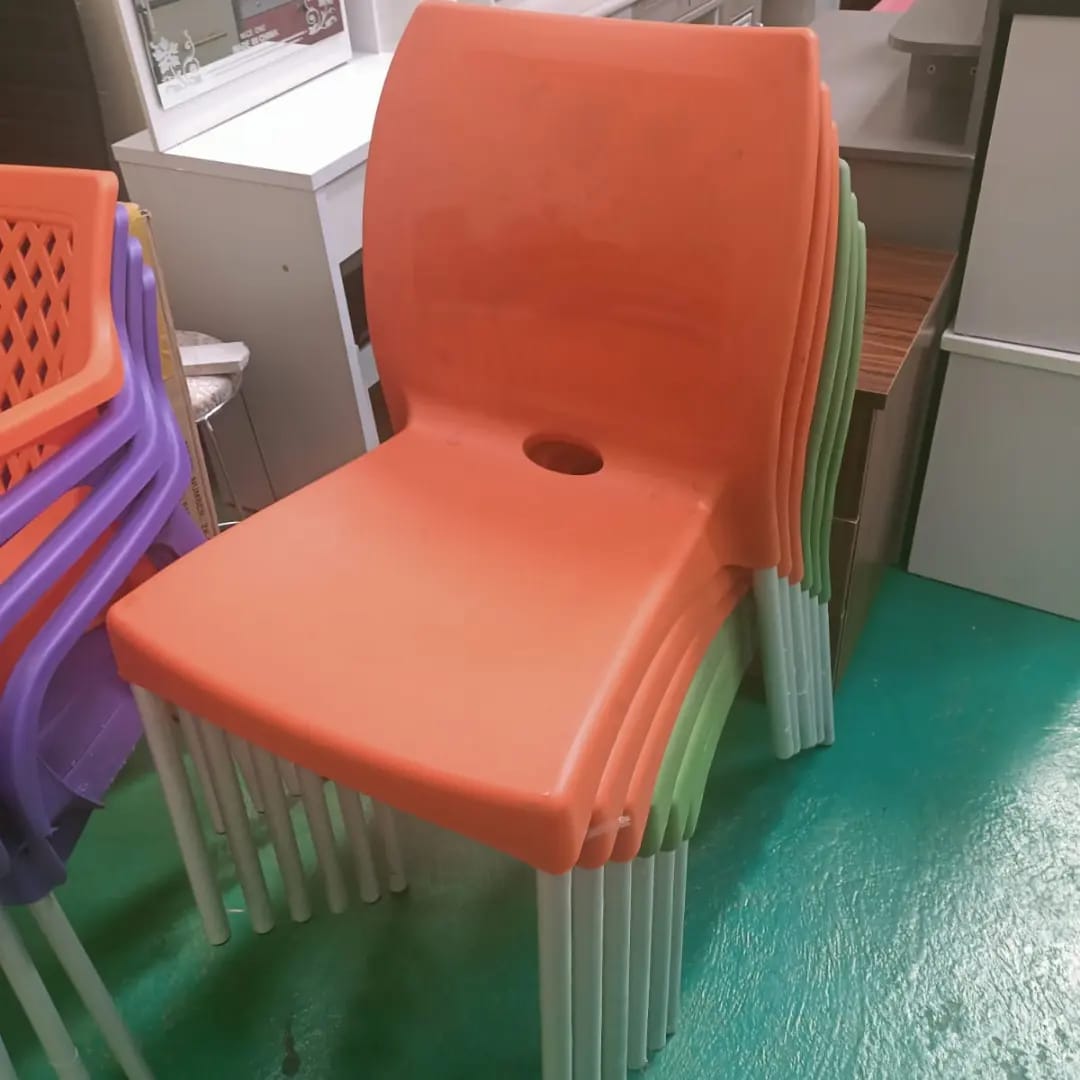
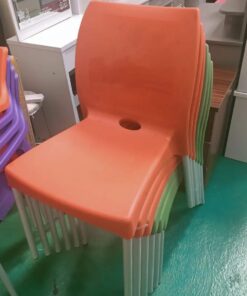
The Monobloc is the world’s most common chair for a reason: it is produced from a single piece of injected plastic. Modern versions have moved away from the flimsy “café” look toward reinforced, matte-finish designs with ergonomic back support and stackable frames for easy storage.
Ghost and Transparent Chairs
Ideal for smaller apartments or crowded dining rooms, transparent polycarbonate chairs provide seating without visual clutter. They allow light to pass through, making a room feel larger and more open while providing a sturdy 150kg weight capacity.
Faux-Rattan and Wood-Grain Textures
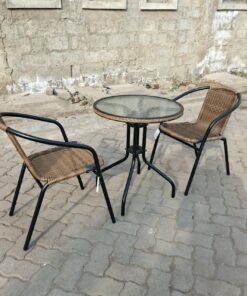
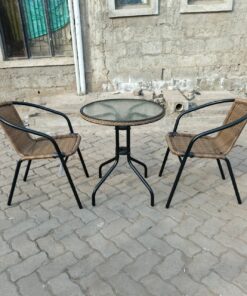
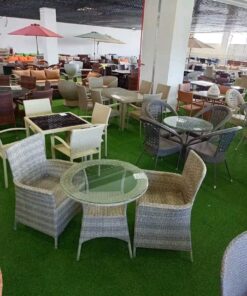
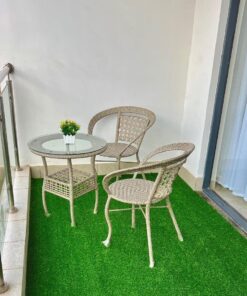
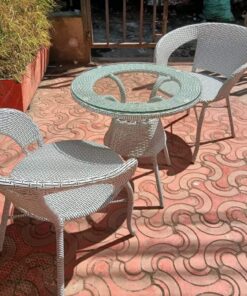
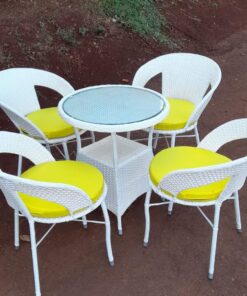
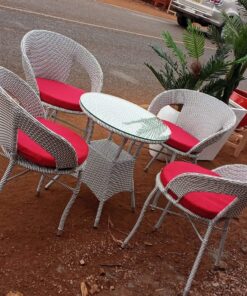
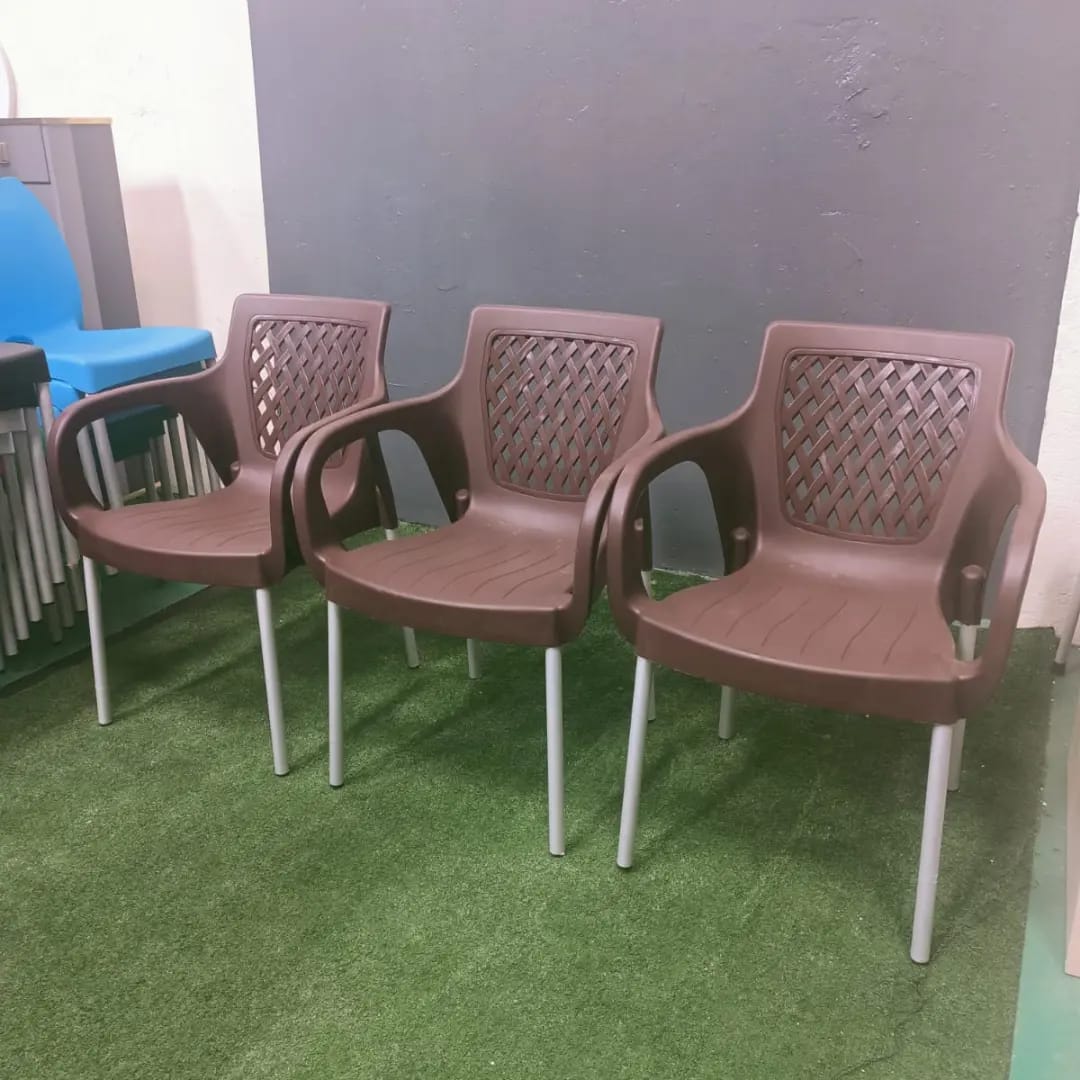
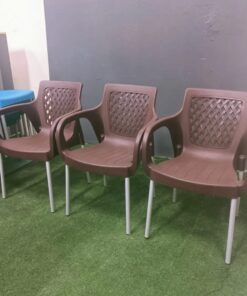
Advanced molding technology now allows plastic to take on the texture of natural materials. You can achieve the “safari” or “coastal” look of woven rattan or oak timber with the zero-maintenance benefits of plastic—no rotting, no splinters, and no need for annual staining.
Maintenance and Performance Standards
To ensure your seating remains in “showroom” condition, a simple maintenance protocol is required:
-
Anti-Static Cleaning: Plastic tends to attract dust due to static electricity. Wiping chairs with a mixture of water and a mild pH-neutral soap prevents buildup. Avoid abrasive scrubbers that can create micro-scratches where dirt can hide.
-
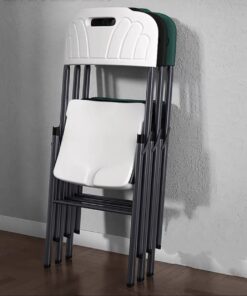
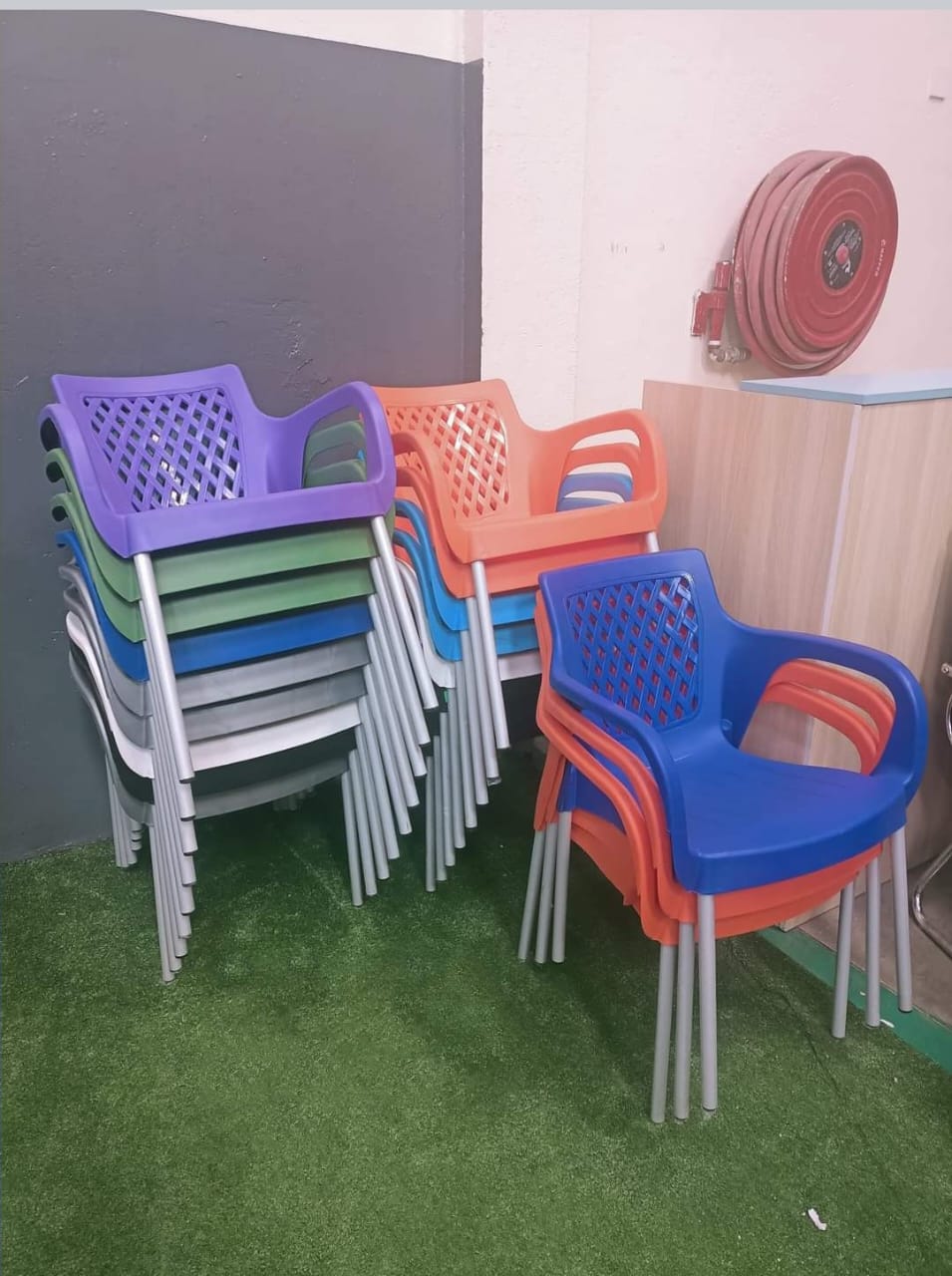
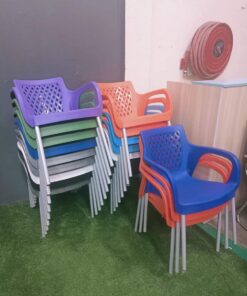
Stacking Logic: Most modern plastic chairs are designed to stack 4 to 8 units high. This is a critical space-saving feature for event planners or businesses managing seasonal floor space.
-
Weight Distribution: Look for chairs with reinforced “ribbing” under the seat. This structural engineering ensures the legs don’t splay outward over time, maintaining a safe and stable center of gravity.
Why Plastic is the Strategic Choice
In a fast-paced environment, plastic seating offers several advantages over metal or wood:
-
Weight Management: Being lightweight makes them easy to move for cleaning or reconfiguring a room layout in seconds.
-
Weather Immunity: Unlike iron, they will never rust. Unlike wood, they will never warp or attract termites.
-
Color Consistency: Because the pigment is mixed into the liquid plastic before molding (solution-dyed), the color goes all the way through. A scratch on a red plastic chair simply reveals more red plastic, whereas a scratch on a painted metal chair reveals silver rust-prone steel.
Sustainability and the Future
The industry is shifting toward Recycled Polypropylene (rPP). Many premium manufacturers now use “ocean-bound” plastics or post-consumer waste to create high-end designer chairs, proving that utility and environmental responsibility can coexist